-
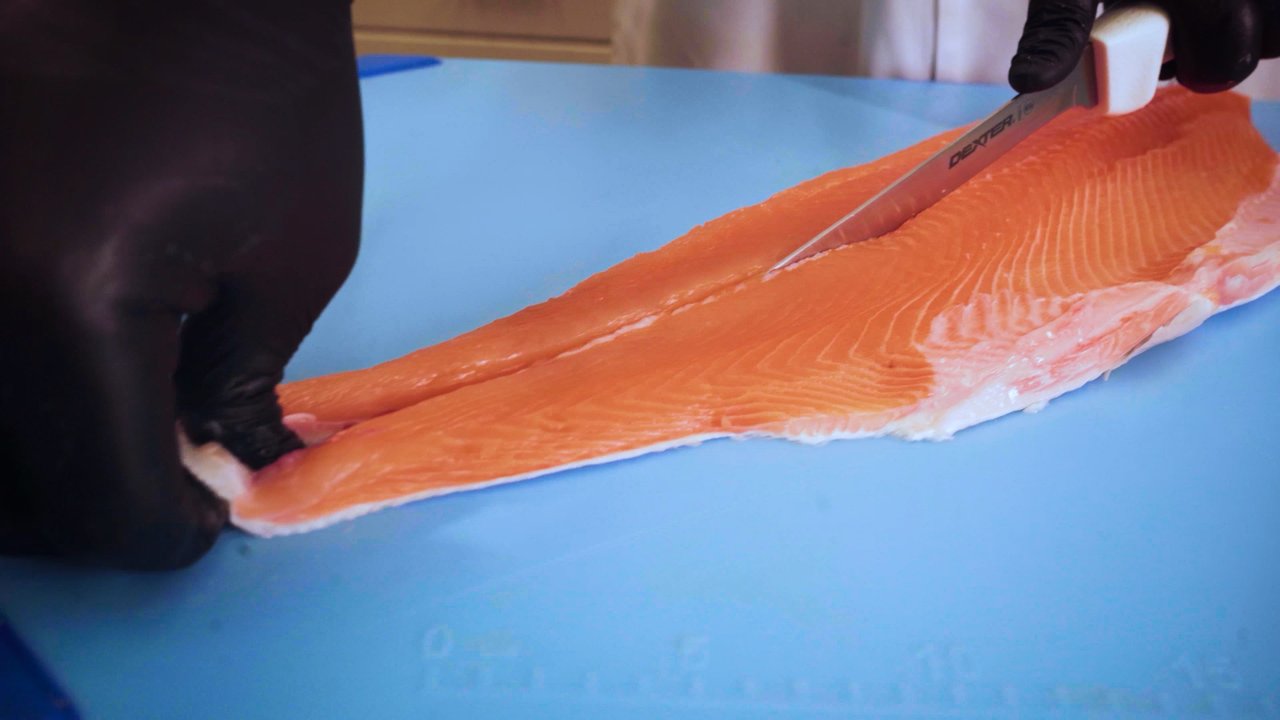
How to Filet a Fish with Culinary Institute of America
6:56
Follow along as Chef Matthew Ona of the Culinary Institute of America demonstrates how to filet a fish.
-
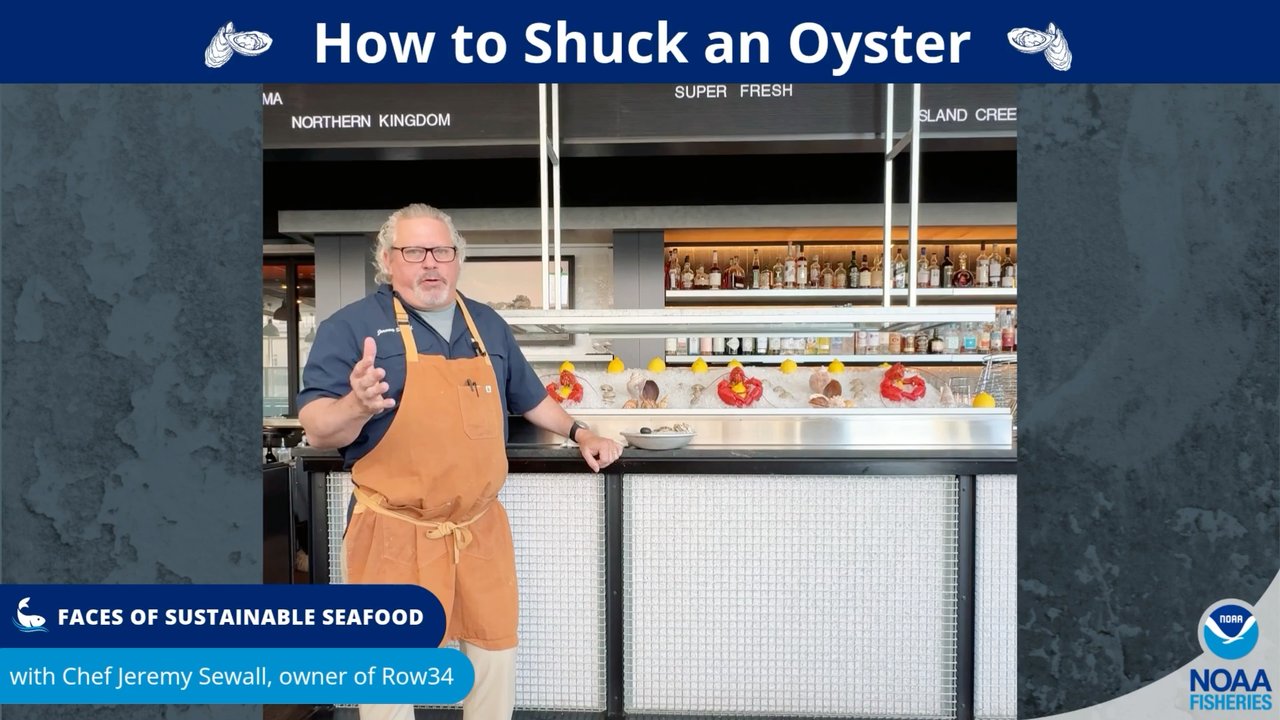
How to Shuck an Oyster with Chef Jeremy Sewall
1:24
Follow along as Chef Jeremy Sewall of Row 34 demonstrates how to shuck an oyster.
-
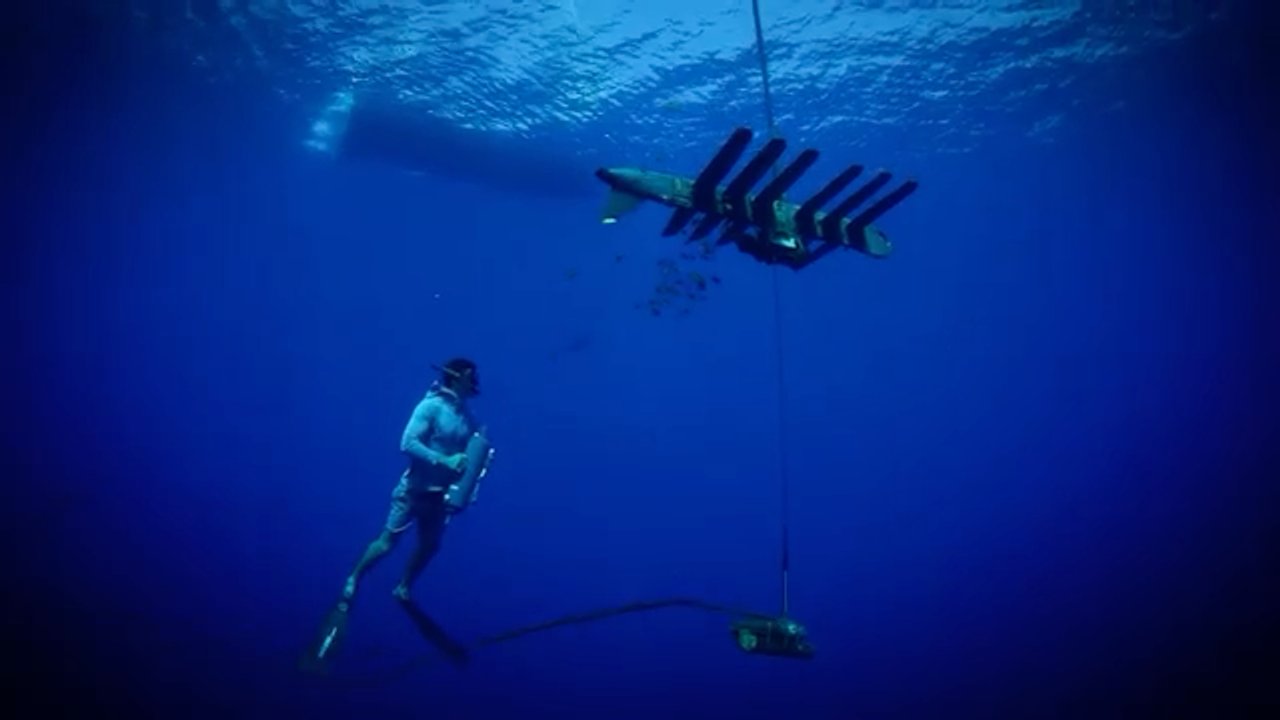
Wave-Powered Autonomous Vehicles Survey the Ocean in Hawaiʻi
3:23
NOAA scientists use wave-powered autonomous vehicles called Wave Gliders to study the waters around the main Hawaiian Islands, measuring the tiny plants that fuel ocean food webs and support local reefs and fisheries.
-
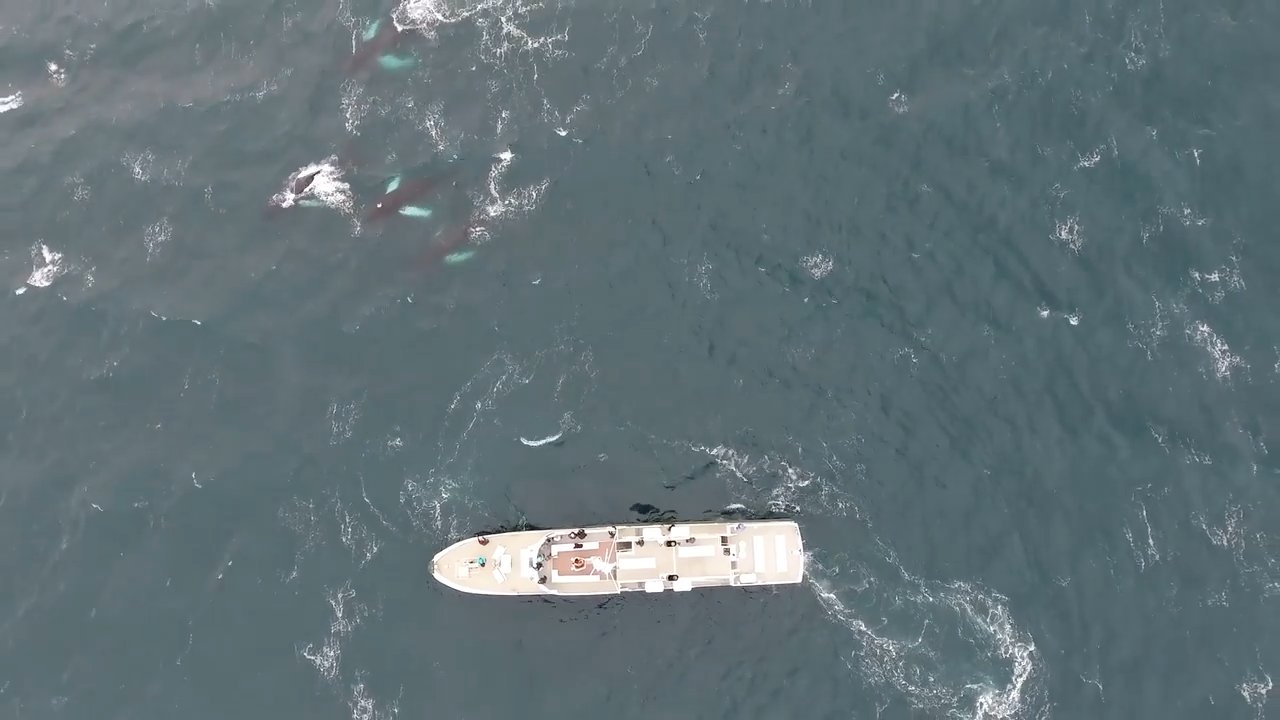
Advanced Technologies to Reduce Vessel Strikes
4:47
Marine animals can be hard to spot, which makes it hard for mariners to know when they're nearby and increases the risk of vessel strikes. We’re working with partners to invest in developing and deploying high-tech tools to reduce this risk.
-
Tagged and Tracked: Mapping Journeys of Pacific Cod in the Bering Sea
4:09
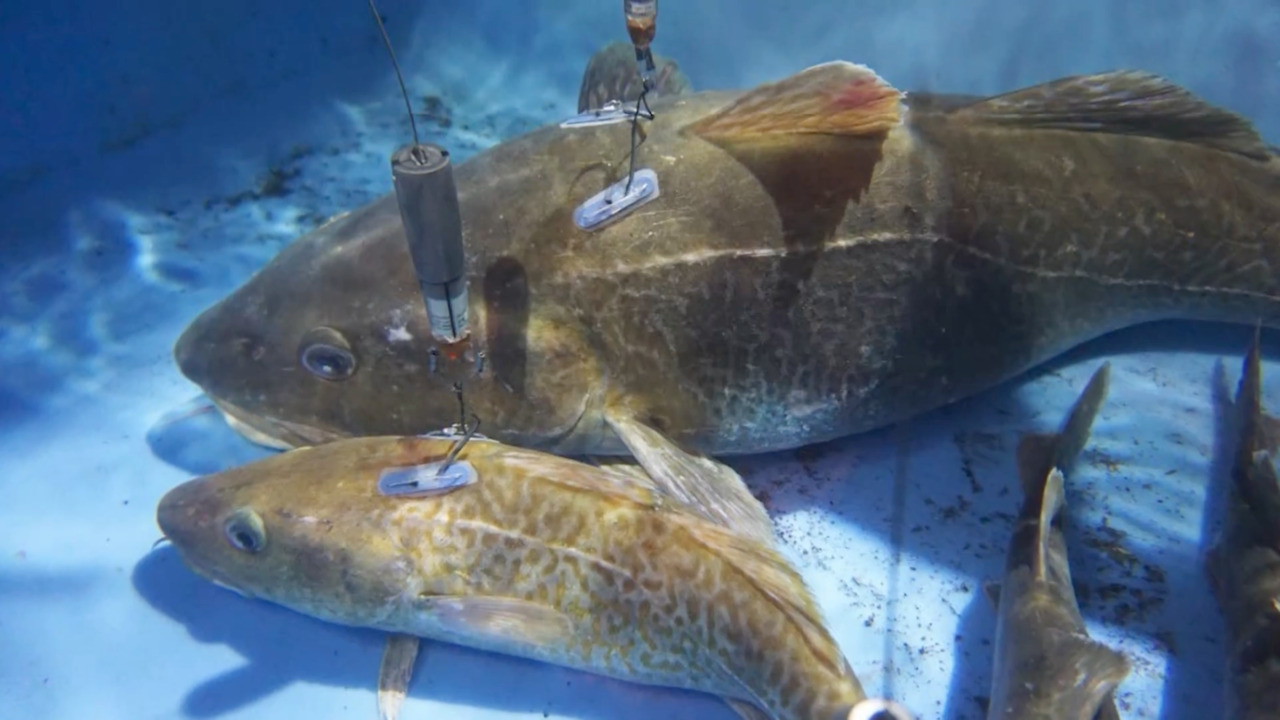
Do Pacific cod migrate in the Bering Sea? Do these migrations happen at the population level? These are some of the questions that NOAA scientists aim to answer by attaching satellite tags to Pacific cod in Alaska. See how we track them/where they go
-
Right Whales of the Pacific
4:00
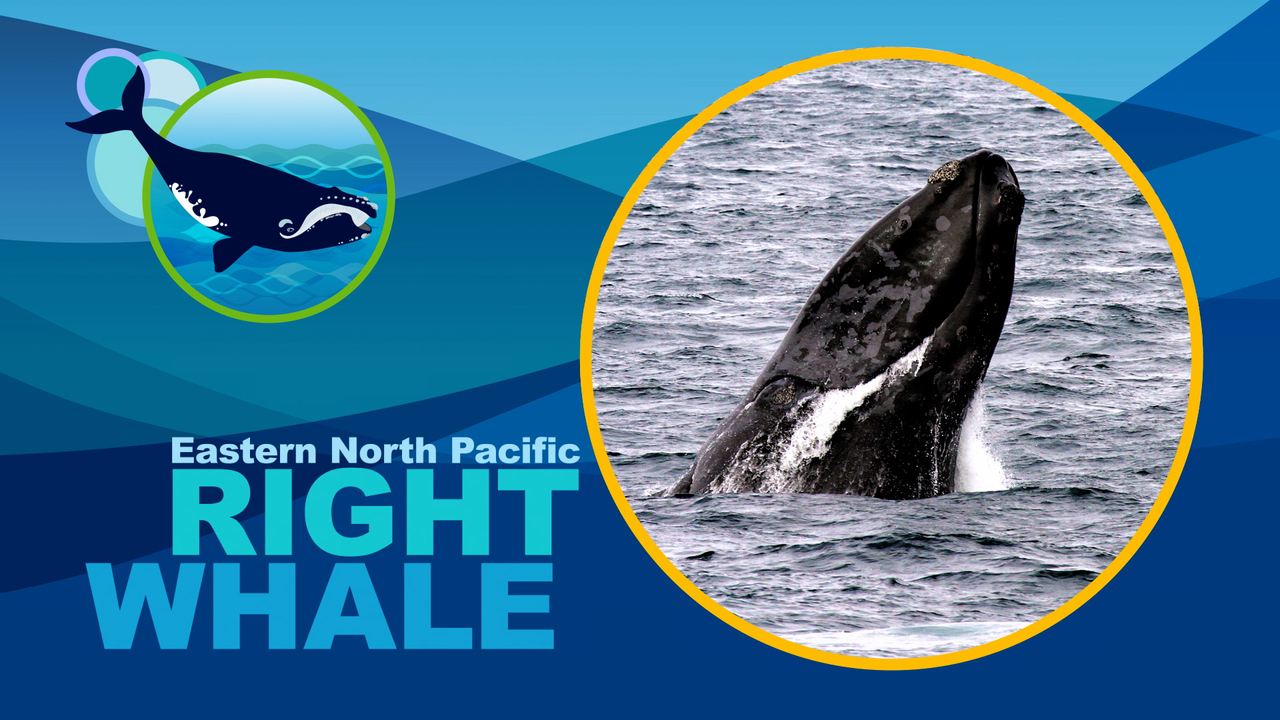
Did you know there are right whales in the Pacific Ocean? There are only about 50 left today—remnants of a much larger population that existed prior to commercial whaling. Learn about how you can help us better understand and recover this population
-
Restoring Historically Abundant Salmon Habitat on Shale Creek
2:57
Helicopter-supported construction of engineered log jams restores salmon habitat on the Olympic Peninsula in Washington State.
-
Rebuilding Salmon Habitat on the Upper Quinault
4:54
NOAA and the Quinault Indian Nation are restoring habitat for blueback salmon
-
Rebuilding Puerto Rico's Mangroves: How BoriCorps Creates Jobs for Young Professionals
4:54
This NOAA-funded program helps Puerto Rican young professionals get training and job experience to enter the workforce, while restoring mangroves that were destroyed by Hurricane Maria.
-
Gliders: Collecting Data on Ocean Health
4:33
NOAA Fisheries traditionally uses ships to collect data on ocean health. Now, we’re using gliders to expand our research. They can be deployed for longer times, collecting data in inaccessible areas—like Antarctica—at a lower cost than ships.
-
Listening for Whales
4:17
Passive acoustic monitoring uses sound to study the ocean. It’s one tool NOAA Fisheries uses to track North Atlantic right whales and other marine mammals so we can learn about and protect them. New technologies can track whales in near real-time.
- Next Page